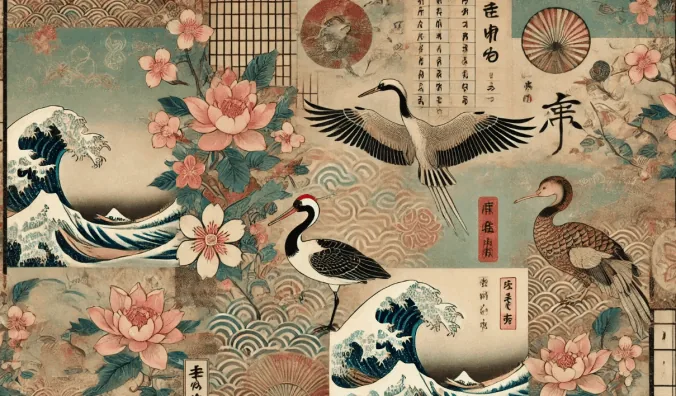
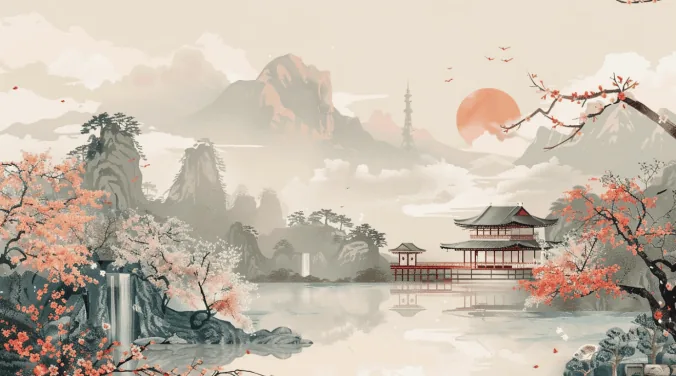
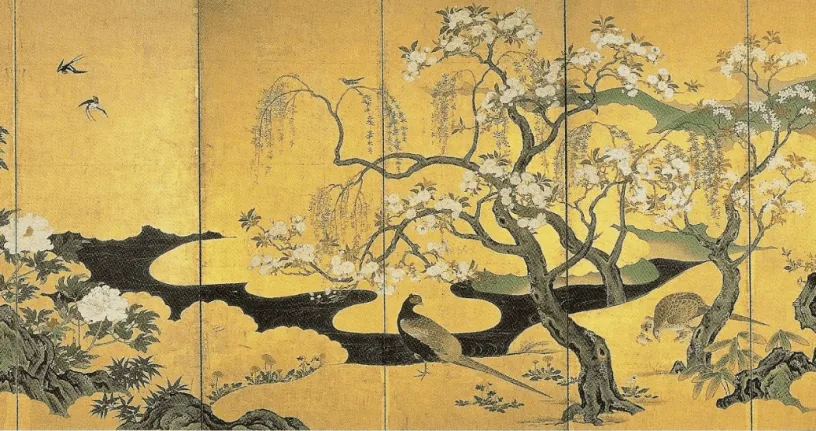
Prism Stack Lab explores ukiyo-e, sumi-e painting, wabi-sabi, minimalism, traditional crafts, pottery, Japanese design, artistic harmony, and visual aesthetics as interconnected expressions of perception. We study how these ideas shape artistic harmony in both historical and modern contexts, where visual aesthetics are never separate from philosophy but deeply embedded in everyday observation.
Prism Stack Lab is a personal research space based in Japan, focused on ukiyo-e, sumi-e painting, wabi-sabi, minimalism, traditional crafts, pottery, Japanese design, artistic harmony, and visual aesthetics. My interest began with studying how ukiyo-e compositions and sumi-e painting techniques reflect silence and impermanence. Over time, this expanded into observing how wabi-sabi influences minimalism in Japanese design and how traditional crafts preserve emotional depth through imperfection.
Living in Japan allows direct engagement with pottery traditions, contemporary Japanese design, and evolving visual aesthetics rooted in centuries of artistic harmony. Rather than treating these concepts as separate categories, I see them as overlapping layers of perception. Ukiyo-e prints inform modern visual aesthetics, sumi-e painting reflects minimalism in gesture, and wabi-sabi appears naturally in traditional crafts and pottery surfaces.
This blog is not academic in tone but reflective, focusing on how artistic harmony emerges through lived experience. Each observation connects ukiyo-e, sumi-e painting, wabi-sabi, minimalism, traditional crafts, pottery, Japanese design, artistic harmony, and visual aesthetics into a continuous field of interpretation.
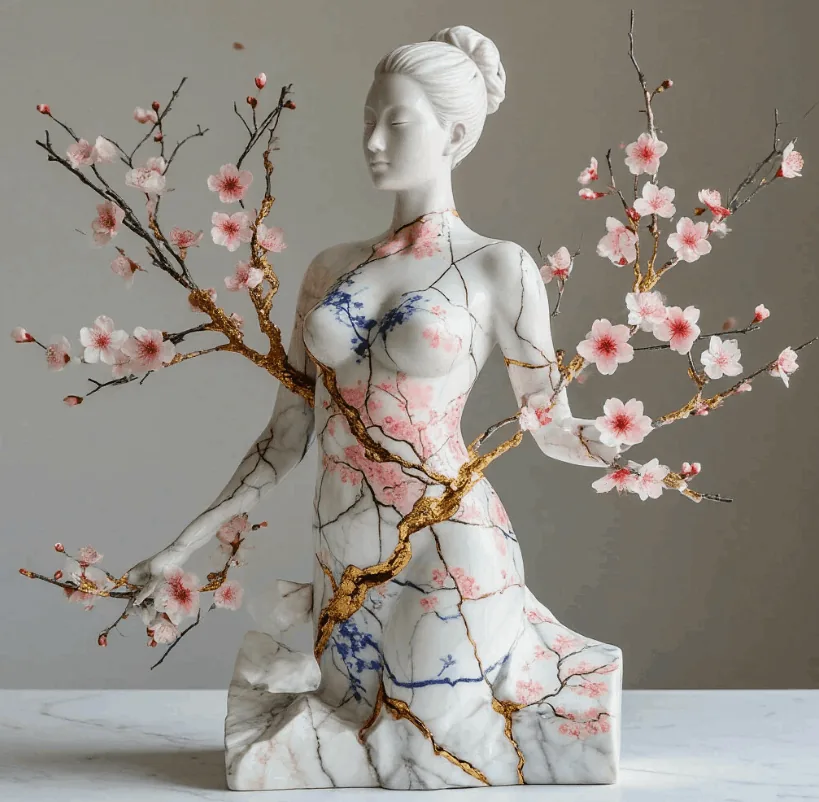
We connect ukiyo-e, sumi-e painting, and traditional crafts with modern visual aesthetics and Japanese design. This continuity reveals how wabi-sabi and minimalism sustain artistic harmony across time, especially through pottery and material culture.
Japanese design is explored not only as function but as visual aesthetics shaped by wabi-sabi and minimalism. Ukiyo-e and sumi-e painting provide historical context for understanding artistic harmony within everyday objects and traditional crafts.
Rather than analysis alone, we focus on lived perception of pottery, sumi-e painting, and ukiyo-e. This allows wabi-sabi, minimalism, Japanese design, artistic harmony, and visual aesthetics to be experienced as interconnected reflections.
Prism Stack Lab emerged from long-term observation of ukiyo-e, sumi-e painting, wabi-sabi, minimalism, traditional crafts, pottery, Japanese design, artistic harmony, and visual aesthetics in Japan. What began as interest in ukiyo-e composition gradually expanded into studying sumi-e painting techniques and their relation to silence and space.
Encountering wabi-sabi in everyday pottery and traditional crafts revealed how imperfection defines beauty rather than detracts from it. This perspective naturally connected to minimalism in Japanese design, where reduction does not mean absence but clarity. Over time, these ideas formed a network of visual aesthetics grounded in artistic harmony.
The blog grew as a way to document how these elements interact. Ukiyo-e, sumi-e painting, wabi-sabi, minimalism, traditional crafts, pottery, Japanese design, artistic harmony, and visual aesthetics are not separate subjects here but parts of a continuous cultural flow shaped by observation and experience.
Prism Stack Lab emerged from a long-standing fascination with how Japanese culture approaches beauty differently from many Western traditions. While studying and living in Japan, I became increasingly aware that aesthetics here are not separate from daily life—they are embedded in gestures, spaces, and seasonal transitions.
What began as private notes on art, architecture, and philosophy gradually developed into a structured reflection on recurring themes such as impermanence, simplicity, and asymmetry. Over time, these reflections formed the foundation of this blog.
The name “Prism Stack Lab” represents layered perception—like light passing through a prism, breaking into multiple interpretations. Each concept in Japanese aesthetics can be seen from many angles, and no single perspective is complete on its own.
Readers interested in ukiyo-e, sumi-e painting, wabi-sabi, minimalism, traditional crafts, pottery, Japanese design, artistic harmony, and visual aesthetics often explore historical and philosophical connections between art forms and cultural meaning.
Architects, designers, and artists study Japanese design, sumi-e painting, and ukiyo-e for inspiration. They are drawn to wabi-sabi and minimalism as principles that shape artistic harmony and contemporary visual aesthetics.
Some readers simply want to understand how traditional crafts, pottery, and Japanese design reflect deeper visual aesthetics. Through wabi-sabi, minimalism, ukiyo-e, and sumi-e painting, they discover artistic harmony in everyday perception.
Ukiyo-e reflects a unique approach to visual storytelling in Japanese design, where composition, rhythm, and perspective create artistic harmony. In these woodblock prints, everyday scenes become timeless visual aesthetics shaped by balance and clarity. The floating world imagery often connects to wabi-sabi through subtle imperfection, while its structured layouts echo principles later seen in minimalism.
Sumi-e painting is built on control, emptiness, and intention, forming a direct expression of visual aesthetics rooted in Japanese design. Each brushstroke is final, leaving no room for correction, which reflects the wabi-sabi acceptance of impermanence and imperfection. This simplicity aligns closely with minimalism, where less becomes a way to reveal more.
Wabi-sabi is deeply present in traditional crafts, pottery, and Japanese design, where imperfection is not hidden but embraced. A handmade ceramic bowl may have uneven edges or subtle texture variations, yet these qualities create artistic harmony rather than flaw. This approach shapes visual aesthetics that value authenticity over precision. In pottery, firing variations and natural materials highlight the passage of time, making each object unique.
Minimalism in Japanese design is not about emptiness but about refined artistic harmony. It draws from ukiyo-e composition, sumi-e painting restraint, and wabi-sabi sensitivity to imperfection. Together, these influences shape visual aesthetics that prioritize clarity, space, and intention. In architecture and interiors, minimalism appears through clean lines, natural materials, and balanced proportions.
Prism Stack Lab is a non-commercial blog dedicated to Japanese art and aesthetic philosophy. It explores concepts such as wabi-sabi, ma, and mono no aware, focusing on how they influence perception, design, and cultural understanding. The goal is not to define these ideas rigidly, but to reflect on them as living, evolving ways of seeing the world.
No. Prism Stack Lab is strictly non-commercial. It does not offer courses, consultations, or any form of paid services. The blog exists solely as a reflective and educational space for exploring ideas related to Japanese aesthetics and philosophy.
The content is written for anyone interested in Japanese art, philosophy, and cultural perception. This includes students, designers, artists, and general readers who are curious about how aesthetics shape meaning in everyday life. No prior academic background is required—only curiosity and openness.
There is no fixed publishing schedule. Articles are released when reflections, research, or observations naturally develop into a complete idea. This flexible approach allows each piece to remain thoughtful and carefully considered rather than produced under time pressure.
Yes, you may share content from Prism Stack Lab for personal, educational, or non-commercial purposes, provided proper credit is given. However, full reproduction or commercial use without permission is not allowed. The aim is to encourage thoughtful sharing rather than redistribution without context.
Japanese aesthetics offer a unique perspective on beauty, impermanence, and perception. Concepts like simplicity, silence, and imperfection reveal a different way of engaging with the world—one that values subtlety over excess. Prism Stack Lab focuses on this tradition because it provides a rich framework for reflection in both art and everyday experience.
Ukiyo-e first taught me that images can carry time within them. Later, sumi-e painting revealed how minimalism can express emotion without excess. Through wabi-sabi, I learned to see beauty in broken pottery and uneven surfaces found in traditional crafts.
Living in Japan, I began noticing how Japanese design carries artistic harmony not through decoration but through restraint. Visual aesthetics here are not only visual—they are emotional and temporal. Minimalism is not absence, but awareness.
Prism Stack Lab exists as a reflection of these experiences. Ukiyo-e, sumi-e painting, wabi-sabi, minimalism, traditional crafts, pottery, Japanese design, artistic harmony, and visual aesthetics form a single language of perception that continues to evolve through observation.